
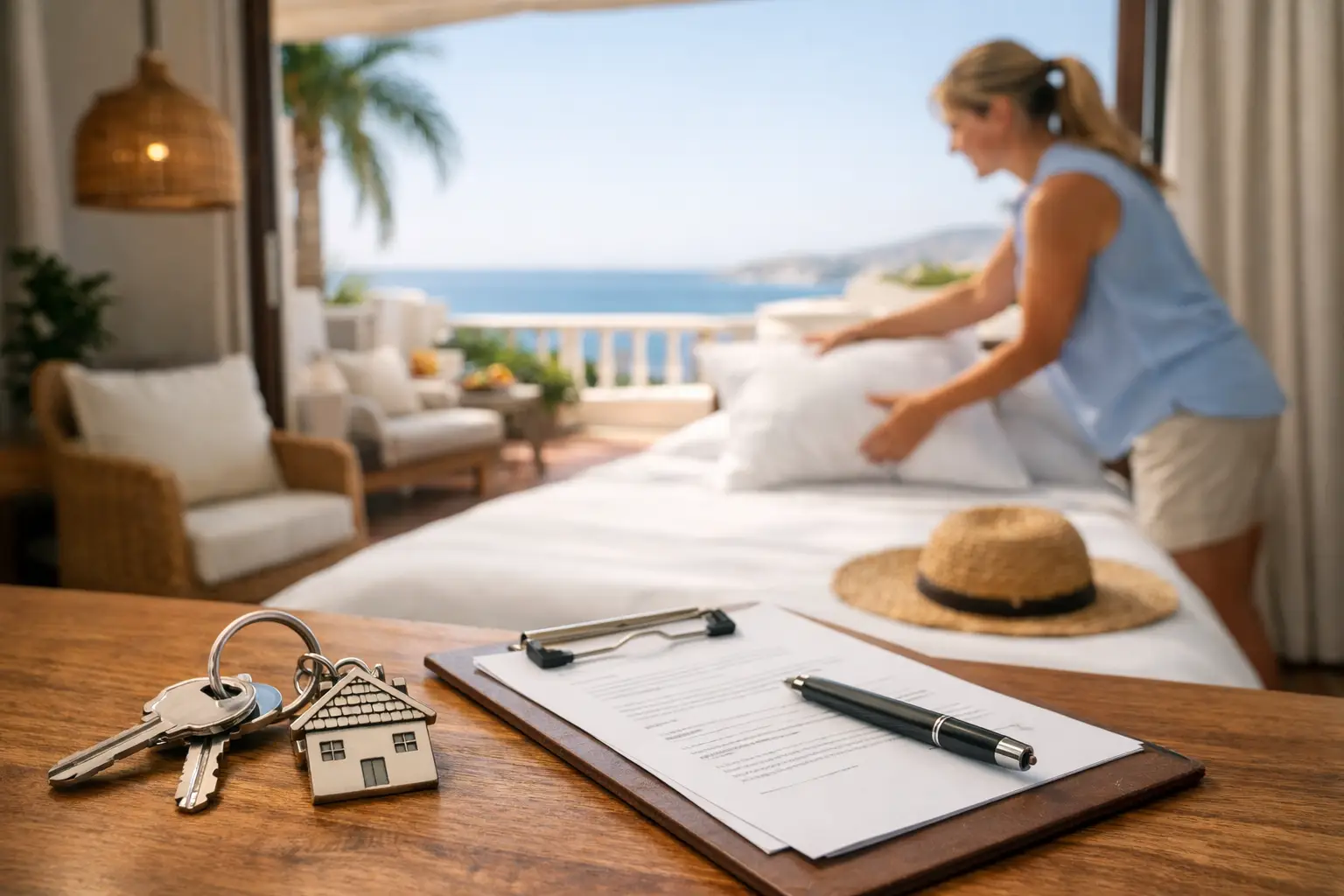
The difference between a Spanish home that rents well and one that sits empty is rarely the view. More often, it comes down to how well you prepare Spanish property for rental before the first guest or tenant arrives. Owners often focus on purchase price and expected income, then realise too late that presentation, paperwork and day-to-day practicality have a direct effect on occupancy, reviews and returns.
If you own a flat on a golf resort, a townhouse near the coast or a villa intended for holiday use, preparation needs to go beyond a quick clean and a set of spare keys. The right approach depends on whether you are aiming for short holiday lets, medium-term winter rentals or longer residential tenancies. Each route brings different expectations, legal considerations and running costs.
Prepare Spanish property for rental with the right plan
Before buying furniture or advertising dates, decide what kind of rental property you want to run. This sounds obvious, but it is where many owners lose time and money. A property set up for summer holiday bookings will not necessarily suit a six-month winter tenant, and a home intended for long-term occupation does not need the same styling, linen stock or guest handover process as a short-stay let.
In practical terms, your target renter shapes almost every decision that follows. Holiday guests usually expect a fully equipped property, attractive presentation, reliable air conditioning, Wi-Fi and a simple arrival experience. Longer-term tenants are often more concerned with storage, comfort, utility costs and whether the property feels liveable rather than decorative.
It is also worth being realistic about your location. A golf resort property may perform strongly with golfers and winter sun visitors, while a coastal home may attract more family holiday demand in peak season. Neither is automatically better, but the rental strategy should fit the area and the likely audience.
Legal and community checks come first
One of the most common mistakes is assuming that ownership automatically gives you the right to rent in any format. In Spain, rental rules can vary depending on region, property type and intended use. If you are planning holiday rentals, you may need a tourist licence or to meet specific regional requirements. Community rules can also matter, particularly in resort developments or blocks of flats where there may be restrictions that affect short-term letting.
This is the stage where proper advice saves frustration later. You should confirm what is permitted, what documents are needed and whether your property meets any technical or administrative requirements before spending money on furnishing or marketing. If the property is on a community with shared pools, lifts or access controls, understanding the rules early is especially important.
Insurance should be reviewed at the same time. Standard owner’s cover is not always enough once paying guests or tenants are involved. The right policy should reflect the type of occupancy you expect and include appropriate liability protection.
What documents and compliance usually matter
Although the exact paperwork depends on the rental model, owners should usually be prepared to deal with occupancy compliance, insurance, utility contracts, inventories and tax-related administration. Holiday rentals may also involve guest registration procedures. Longer-term rentals usually require a solid tenancy agreement and a clear deposit process.
This is not the glamorous part of preparing a property, but it is the part that makes the rental sustainable.
Condition matters more than style
A rental property does not need luxury finishes to perform well, but it does need to feel clean, maintained and dependable. Guests forgive modest kitchens sooner than they forgive mould in the bathroom, doors that do not close properly or air conditioning that works only in one bedroom.
Start with the basics. Check plumbing, electrics, hot water, appliances, locks, lighting and outdoor areas. If the property has shutters, awnings or terrace doors, make sure they operate properly. In Murcia and on the surrounding coast, heat, sun and salt air can be hard on fittings, so outdoor furniture, air conditioning units and exterior paintwork often need more attention than overseas owners expect.
Small defects matter because they affect both reviews and repeat bookings. They also create management headaches if issues appear once a guest has checked in. It is usually more cost-effective to carry out a proper pre-rental inspection than to react to complaints one by one.
Furnishing a Spanish rental property properly
Owners often either overspend on furniture that will not last or underspend and create a property that looks tired from the start. The best approach sits in the middle. Choose practical, durable furniture with enough style to photograph well, and avoid filling the property with personal items that make storage difficult or wear unevenly.
For holiday rentals, the essentials are straightforward. Comfortable beds, decent mattresses, blackout blinds or curtains where possible, usable seating, dining space, quality Wi-Fi and a kitchen equipped for simple self-catering all matter. Air conditioning is close to essential in many parts of south-eastern Spain, and heating should not be ignored if you want winter lets.
For longer-term rentals, think beyond the photos. Tenants need wardrobe space, sensible lighting, enough kitchen equipment for everyday use and a layout that works for real living. If the property has two bedrooms but only seating for three people, or a large terrace with no shade, that mismatch will show up quickly.
The finishing touches that improve bookings
Good rental preparation is often about reducing friction. Clear instructions for appliances, labelled keys, spare bedding, enough hangers, durable terrace furniture and a proper welcome pack all make the property easier to use. You do not need to overcomplicate it, but you do need to think from the renter’s point of view.
If a guest arrives after a late flight, can they enter easily, connect to Wi-Fi, make a cup of tea and sleep comfortably without needing to message someone for help? That standard should guide your setup.
Safety, cleanliness and presentation
A professionally cleaned property is a starting point, not a selling point. Renters expect cleanliness as standard. What lifts a property above average is visible care. Fresh grout, clean sofa covers, streak-free glass, working bulbs and uncluttered surfaces all suggest competent management.
Safety is equally important. Smoke alarms, carbon monoxide detection where relevant, fire extinguishers, first-aid basics and secure locks are sensible measures. Pools, balconies and roof terraces deserve particular attention. If the property will be marketed to families, any obvious risks should be addressed before launch.
Photography should only happen once the property is genuinely ready. Too many owners photograph a home before the final snagging, then create expectations they cannot quite meet. Good photos help, but they should reflect reality.
Price the rental around the real market
Owners are often tempted to set rates based on what they would like to earn rather than what the market supports. That can be expensive, especially in areas where supply changes sharply by season. A well-prepared property at a fair rate usually performs better than an average one priced optimistically.
This is where local knowledge matters. Similar-looking homes can achieve very different returns depending on orientation, resort facilities, parking, terrace size, walking distance to amenities and whether the interior feels up to date. A ground-floor flat with a large terrace may outperform a penthouse without shade. A villa with a small plunge pool may attract stronger summer demand than a larger property with no private outdoor appeal.
Pricing should also reflect your operating model. If you use a management company, include cleaning coordination, laundry, maintenance call-outs, platform fees and occupancy gaps in your calculations. Gross income can look strong on paper while net income tells a different story.
Ongoing management is part of rental preparation
To prepare Spanish property for rental properly, you need to think past the launch date. Who will handle check-ins, inspections, emergency maintenance, cleaning control and guest communication when you are not in Spain? For overseas owners, this is often the deciding factor between a profitable rental and a stressful one.
Some owners prefer a hands-on approach with local support for cleaning and maintenance. Others want a managed service that covers guest contact, key holding and issue resolution. Neither option is wrong, but you should choose one deliberately. The more frequently the property turns over, the more valuable reliable local support becomes.
This is particularly true for holiday rentals, where speed matters. A failed air conditioning unit in August or a lost key on a Saturday is not a minor inconvenience. It needs a fast, practical response.
When to upgrade and when to keep it simple
Not every property needs renovation before rental. Sometimes a deep clean, repaint, better furniture and improved lighting are enough. In other cases, an outdated kitchen or tired bathroom will hold back the rental level and make the property harder to market.
The right decision depends on the property, the likely renter and your time frame. If you want immediate income, a light refresh may be sensible. If you are targeting stronger rates over several seasons, a focused upgrade can pay for itself. The key is not to renovate blindly. Spend where renters notice value – comfort, bathrooms, climate control, outdoor living and overall finish.
For many overseas owners, the most effective route is to treat rental preparation as part of the investment plan rather than an afterthought. With the right guidance, that process can be organised clearly and without unnecessary cost.
A rental property should work hard for you, but it also has to work well for the people staying in it. When you get that balance right, the income tends to follow.


Join The Discussion