
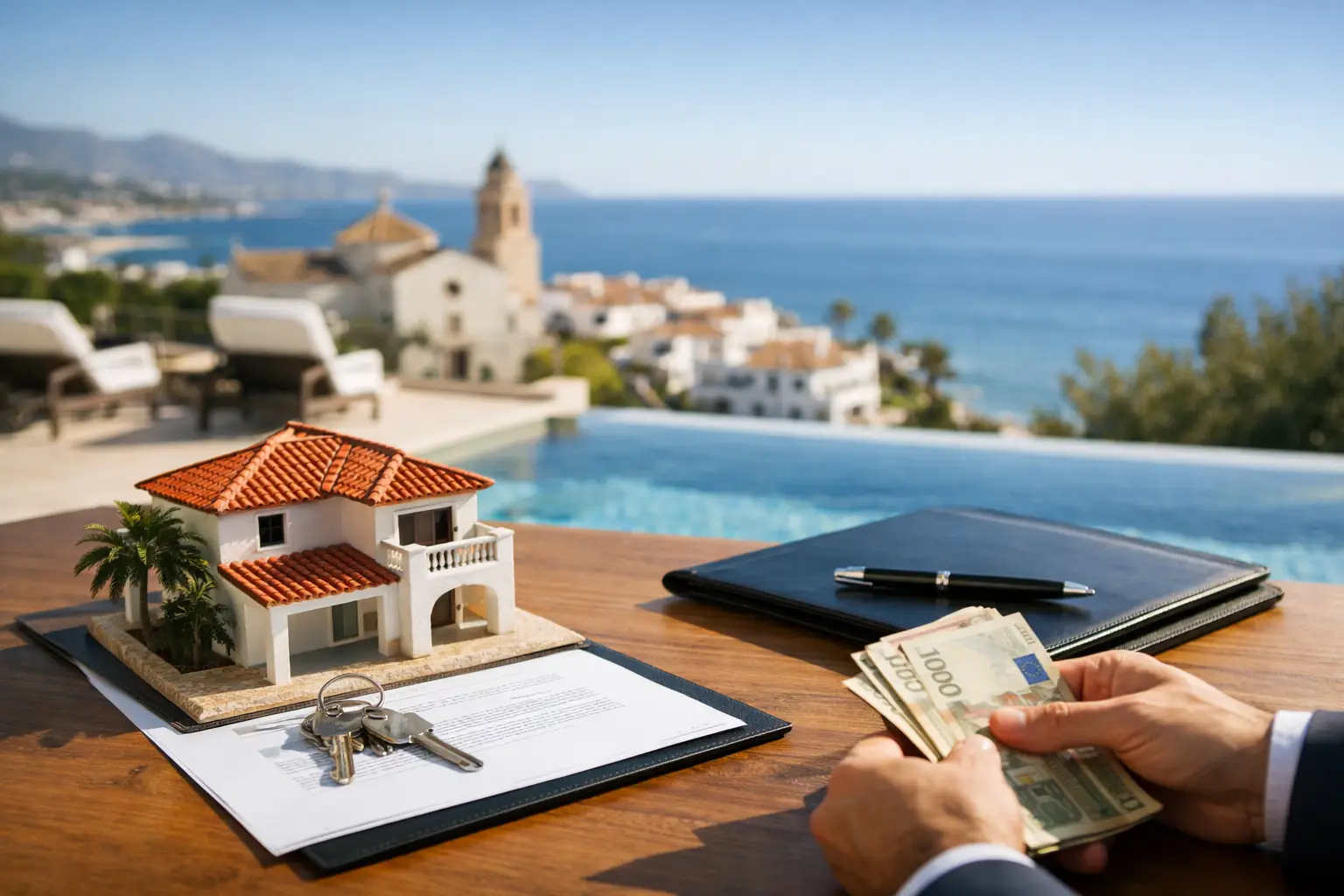
Buying in Spain usually feels straightforward right up until the moment you realise you are making decisions in another language, under a different legal system, with unfamiliar costs and timelines. If you are researching how to buy Spanish property, the good news is that the process is perfectly manageable when it is handled in the right order and with the right professional support.
For most overseas buyers, the problems do not come from Spain itself. They come from rushing, relying on assumptions from the UK market, or choosing a property before they have properly checked the numbers. A good purchase starts with clarity on budget, ownership costs, legal checks and how you plan to use the property once you own it.
How to buy Spanish property without expensive mistakes
The first decision is not which property to buy. It is why you are buying.
A holiday home, retirement move and rental investment can all point you towards very different properties. A lock-up-and-leave flat on a golf resort may suit one buyer perfectly, while another needs a villa with year-round living space, storage and easier access to services. Buyers looking for rental return may focus more on running costs, community rules and seasonal demand than on personal taste.
This is where honest advice matters. It is easy to overbuy if you focus only on the view, the terrace or the pool. It is just as easy to underbuy and then spend more than expected on renovation, furnishing or ongoing maintenance.
Set your budget properly
Before viewings, work out your full buying budget rather than the purchase price alone. In Spain, you should allow for taxes and purchase costs on top of the agreed price. The exact amount depends on whether the property is resale or new build, whether you are using a mortgage, and the region where you buy, but many buyers sensibly allow around 10 to 15 per cent as a planning figure.
You also need to think beyond completion day. Community fees, council tax, utility standing charges, non-resident tax, insurance and maintenance all affect affordability. If the property is on a resort or urbanisation, ask early about communal costs and what they cover. A lower purchase price does not always mean lower ownership costs.
If you need finance, get an early indication of what a Spanish mortgage might look like. Spanish lenders assess income, age, residency status and deposit levels differently from UK lenders. Waiting until you have found the perfect property can put you under avoidable pressure.
Choose the right area before the right home
Location affects far more than lifestyle. It affects resale potential, maintenance needs, rental appeal and how often you will realistically use the property.
Some buyers want a golf resort because it offers security, shared facilities and easy upkeep. Others prefer a coastal town where shops, restaurants and the beach are open all year. Country properties can offer space and privacy, but they may also come with more land maintenance and more legal detail to verify.
In Murcia and the nearby coast, this choice matters a great deal. A resort property at Hacienda Riquelme or La Torre offers a different ownership experience from a home in La Zenia or La Manga. Neither is automatically better. It depends on whether you want convenience, rental demand, long stays, winter living or a simple holiday base.
Reserve carefully and appoint your legal representative
Once you have found the right property, do not treat the reservation as a casual step. This is the point where you need an independent solicitor with experience in Spanish conveyancing. Your solicitor should review the property paperwork, ownership status, debts, licences where relevant, and the terms under which your deposit is being paid.
If you are buying from abroad, you will usually also need a power of attorney so your solicitor can act for you if necessary. This can make the process much easier, especially if signing dates change or documents need to be submitted while you are in the UK.
You will also need an NIE number, which is the foreigner identification number used for property purchase and tax purposes in Spain. This is a standard requirement and should be arranged as early as possible, not left until the last minute.
How to buy Spanish property with the right legal checks
Legal checks are not a box-ticking exercise. They are what protect you from inheriting somebody else’s problem.
For a resale property, your solicitor should confirm that the seller has legal title, that there are no unexpected charges or embargoes registered against the property, and that local taxes and community fees are up to date. They should also verify that the property description matches what is registered and that any extensions, terraces or alterations are properly documented.
For new builds, the focus is slightly different. You need clarity on building guarantees, stage payments, completion dates, bank guarantees where applicable, and exactly what is included in the sale. Show homes can create unrealistic assumptions, so specifications matter.
This is one area where buyers can get caught out by thinking all properties on the market are equally ready to buy. They are not. Some are straightforward. Some need extra investigation. A good agent and solicitor will tell you the difference plainly.
Understand the purchase contract and payment stages
After reservation, the transaction usually moves to a private purchase contract. This sets out the agreed price, the payment timetable and conditions of sale. It is common for a larger deposit to be paid at this stage, so you should not sign until your solicitor is satisfied with the legal position and has explained the terms clearly.
If you are using a mortgage, make sure the timetable works with the lender’s process. Delays do happen, especially when documents from another country are involved. The key is to keep the chain of communication active between agent, solicitor, lender and seller.
Currency is another practical issue. If your funds are in pounds and the property is priced in euros, exchange rate movements can materially change your final cost. For larger purchases, even a small shift can make a noticeable difference to your budget.
Completion day and what happens after
Completion takes place before a notary in Spain. This is when the title deed is signed, the balance is paid and the property changes hands. The notary formalises the transaction, but the notary does not replace your solicitor. Their role is different, which is why independent legal advice remains essential.
After completion, there is still administration to handle. Taxes must be paid, the deed must be registered, and utilities need to be transferred. If you are not living in Spain full-time, you may also want help with key holding, cleaning, furnishing, insurance arrangements or rental preparation.
This after-sales stage is often overlooked by first-time overseas buyers, yet it has a big effect on whether ownership feels easy or stressful. A property that is cheap to buy but difficult to manage from abroad can quickly lose its appeal.
Common questions buyers should ask early
A good purchase usually comes down to asking sensible questions sooner, not later. What are the annual running costs? Are there any restrictions on letting? Has the property been altered? Is the community well managed? How old are the air-conditioning system, boiler and white goods? If work is needed, what is cosmetic and what is structural?
You should also ask how saleable the property is, not just whether you like it. The best buying decisions balance your lifestyle goals with future flexibility. That is especially true if your plans may change in five or ten years.
For many international buyers, working with a regional specialist makes the process simpler because you are not trying to piece together agents, lawyers, mortgage contacts and after-sales services yourself. At Premier Properties, that joined-up support is often what gives buyers the confidence to move from browsing to actually proceeding.
There is no single perfect formula for how to buy Spanish property, because the right route depends on your budget, your timescale and the type of home you want. But the safest path is always the same in principle: get clear on your goals, check the numbers properly, use independent legal advice, and do not let excitement outrun due diligence. Buy well, and owning in Spain can feel exactly as it should – enjoyable from the start.


Join The Discussion