
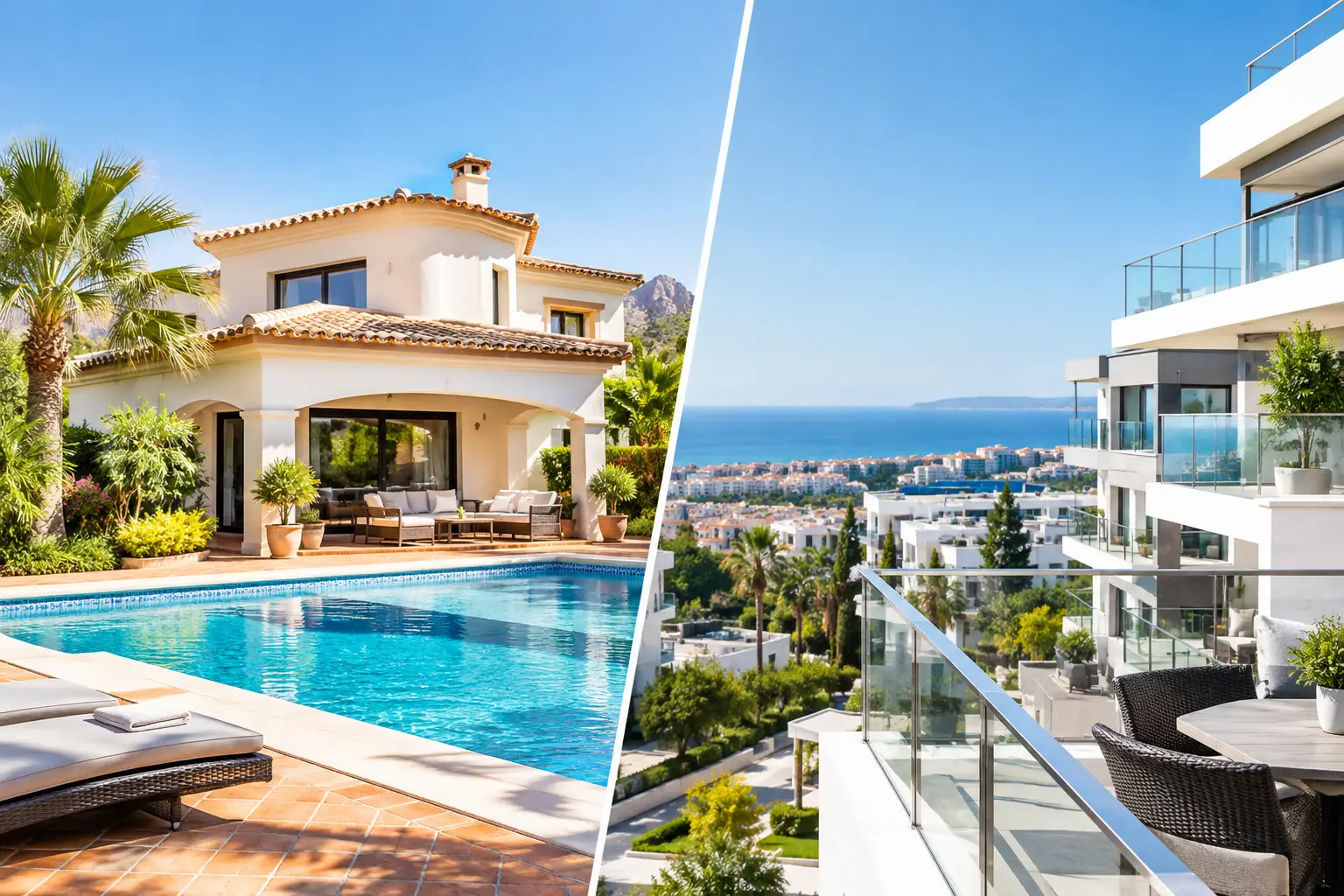
A south-facing terrace, a short walk to the pool and a lock-up-and-leave home can be just as appealing as a private garden and your own swimming pool. When considering Murcia villas versus flats, the better choice is rarely about which property type is objectively superior. It is about how you plan to use it, how much time you will spend in Spain, and how involved you want to be with maintenance.
For many overseas buyers, a flat on a golf resort or near the coast offers a straightforward route into Spanish ownership. For others, the privacy, internal space and outdoor living of a villa make it the right long-term decision. Understanding the practical differences before viewings begin will make your search more focused and your budget more accurate.
Murcia villas versus flats: start with your lifestyle
A villa generally suits buyers who see their Murcia property as a home rather than simply a holiday base. You may want room for visiting family, a garden for pets, a private pool, or the freedom to dine outside without close neighbours. Detached and semi-detached homes can feel particularly attractive to retirees and those planning longer stays through the winter.
Flats are often a strong fit for owners who want to arrive, enjoy the sunshine and lock the door when they leave. On resorts such as Hacienda Riquelme, La Torre and Mar Menor, many flats are built around communal gardens and pools, with golf, restaurants and everyday facilities nearby. Coastal flats in areas such as Los Alcazares, Lo Pagan and Mar de Cristal can also put beaches, promenades and local cafés within easy reach.
Neither option is automatically more relaxing. A villa gives you greater control over your own space, but that control comes with responsibility. A flat reduces private maintenance, yet communal living means shared rules and decisions through the owners’ community.
Space, privacy and outside living
The most obvious advantage of a villa is private outdoor space. Even a compact villa may offer a plot, roof solarium, driveway and room for a pool or shaded seating area. This can transform how the property works for extended holidays. Children have room to play, guests can stay comfortably, and you can create an outdoor area that reflects your own priorities.
That said, buyers should look beyond plot size. A larger garden needs watering, cleaning, planting and occasional repairs to walls, gates and drainage. A private pool requires regular care, even when the house is empty. If you live abroad for much of the year, you will need dependable local support.
Flats usually provide less privacy, particularly on lower floors or where terraces face communal grounds. The trade-off is that well-planned developments can offer generous terraces, open views and access to landscaped spaces that would be costly to maintain alone. Top-floor flats with solariums can be a useful middle ground for buyers who want private sunbathing and entertaining space without taking on a full garden.
Purchase budget is only the first comparison
Villas typically command a higher purchase price than flats in the same area, especially where they have a private pool, larger plot, upgraded kitchen or unobstructed views. However, the price gap is not always straightforward. A modern penthouse near the beach, or a flat in a premium resort location, can cost more than an older villa a short drive inland.
For this reason, compare homes on their total ownership cost rather than their headline price. Spanish purchase taxes and legal costs apply whichever property type you choose, but ongoing expenditure can differ significantly.
A flat owner will normally pay community fees. These contribute towards items such as shared pools, gardens, lifts, cleaning, security and building insurance, depending on the development. Ask for the current annual fee, recent meeting minutes and any planned works. A low fee may be attractive, but it is worth checking whether the community has sufficient funds for future maintenance.
Villa owners may also pay community fees if the home is on a resort or urbanisation, although costs can be lower where fewer shared amenities are involved. In return, they must budget directly for private pool servicing, gardening, exterior painting, pest control, alarm systems and repairs to roofs, terraces or boundary walls.
Utility use also deserves thought. A larger villa can cost more to cool and heat, particularly if it has several bedrooms and is occupied year-round. Conversely, a flat that is poorly orientated or has limited ventilation may require more air conditioning than expected. During viewings, ask about orientation, glazing, insulation, air conditioning and the owners’ typical bills rather than relying on appearance alone.
Maintenance and security when you are abroad
For buyers who will visit only a few times a year, flats often offer the simpler ownership model. Communal maintenance continues while you are away, and neighbouring owners or onsite staff may provide an extra sense of activity and oversight. This can be particularly reassuring for first-time buyers in Spain.
A villa can still work very well as a lock-up-and-leave home, provided it is set up properly. Window shutters, a monitored alarm, timed lighting and a regular property-checking service can make a substantial difference. The key is to build those services into your annual budget from the outset, rather than treating them as an afterthought.
There is also a personal preference at play. Some owners appreciate the sociable feel of a resort flat, where neighbours may become friends over time. Others value being able to leave their gate closed and enjoy a quieter, more independent setting. Consider how you feel during both busy summer periods and quieter winter months.
Rental appeal depends on location and property type
If rental income matters, avoid assuming that a villa will always earn more because it is larger, or that a flat will always be easier to let. Demand is shaped by location, season, amenities, presentation, licensing requirements and the type of guest you want to attract.
Flats can appeal to couples, golfers and smaller families looking for an affordable base near a pool, beach or town centre. They are often easier to furnish and prepare for short stays, and communal facilities can be a genuine selling point. A two-bedroom flat close to golf or the Mar Menor may have broad holiday appeal when it is well presented and professionally managed.
Villas can attract larger families and groups seeking privacy, multiple bedrooms and a private pool. This may support higher weekly rates in peak periods, but occupancy can be more seasonal and the operational costs are higher. Cleaning a larger home, maintaining a pool and responding to guest issues all need to be factored into realistic income projections.
Before purchasing specifically for rentals, confirm the rules that apply to the property and municipality. Community statutes may also affect holiday letting. A clear rental plan should include licensing, management, furnishing, insurance, cleaning, guest communication and periods when you want the property for your own use.
Resale flexibility and future plans
Flats often appeal to the widest pool of buyers because they can offer an accessible price point and manageable ownership costs. This can be helpful if you expect to sell within a few years. Homes with lift access, parking, good terraces and well-kept communal areas tend to have broad appeal, especially among retirees and holiday buyers.
A well-located villa can be equally resilient, but buyers will scrutinise its condition more closely. An ageing pool, tired exterior, dated bathrooms or neglected garden can affect both interest and price. The advantage is that improvements can make a clear difference: updated outdoor areas, energy-efficient systems and contemporary furnishings can materially improve the home’s appeal.
Think ahead to your own changing needs too. Stairs, distance from shops, parking and access to healthcare may matter more if the property becomes a full-time home. A flat with a lift and services close by can be a sensible long-term choice. A single-storey villa may offer the same practicality with more privacy.
Choose the property that supports the ownership you want
The right choice usually becomes clearer once you define your non-negotiables. If you want a simple holiday base, shared facilities, lower hands-on maintenance and easy access to resort life or the coast, a flat may be the better fit. If private space, family visits, a garden and independent living matter most, a villa may justify the additional commitment.
A good viewing programme should include both types, even if you arrive convinced that you know which you prefer. Seeing the size of terraces, the condition of communal areas, the privacy of plots and the surrounding neighbourhood at different times of day often changes a buyer’s perspective. Premier Properties can help you compare suitable options across its own and partner listings, while also clarifying the ownership costs and support services each home may require.
The most satisfying purchase is not necessarily the biggest home or the lowest-priced one. It is the property that still feels easy to own when the holiday ends, the keys are handed over and you return home knowing it is being looked after properly.




Join The Discussion